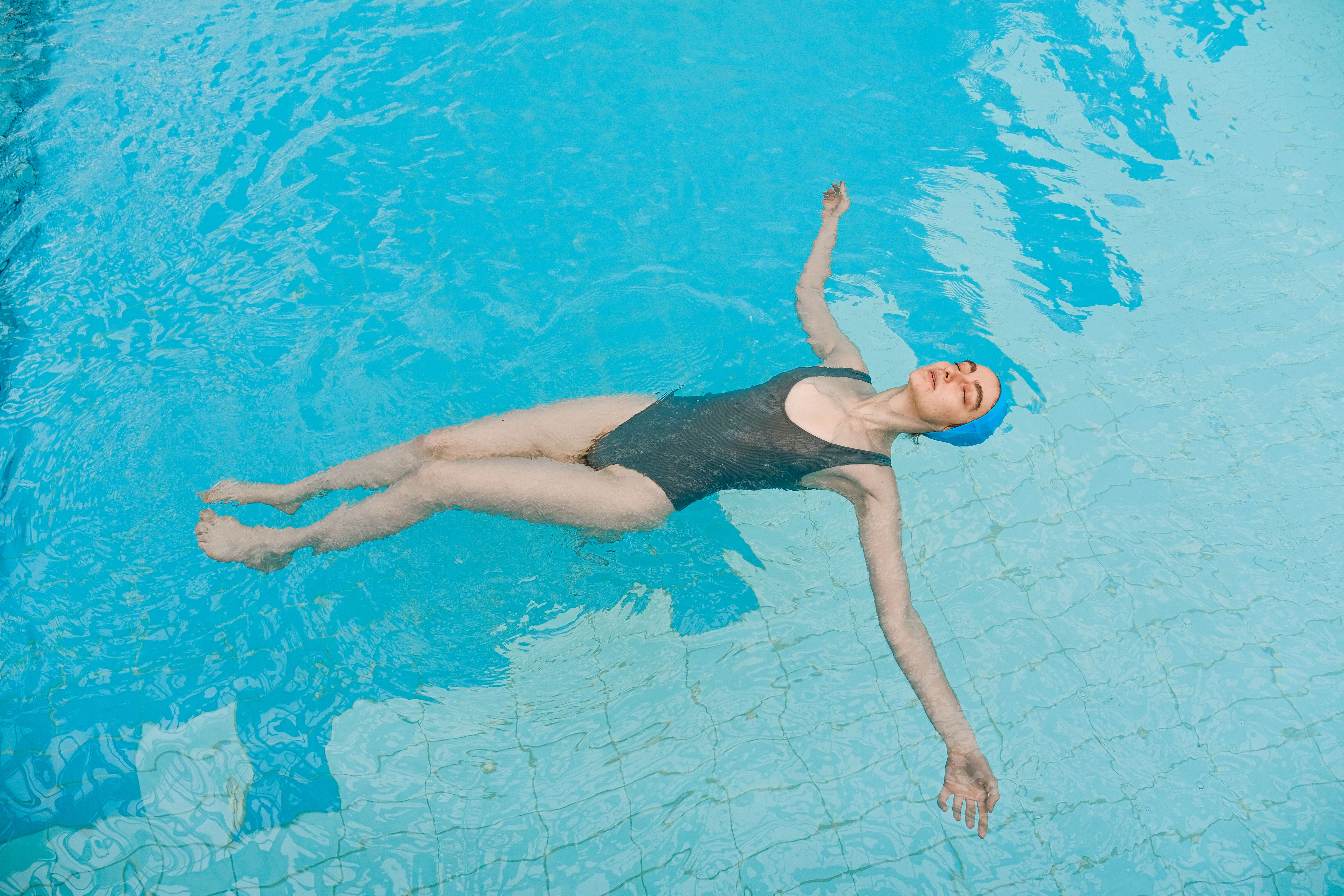
Water therapy is not just about swimming. For millions of people around the world, the idea of entering a pool — let alone the sea — triggers genuine panic. Water therapy, in its psychological sense, is a structured, evidence-based process that uses the aquatic environment as a space for emotional healing, nervous system regulation, and the gradual rebuilding of trust between a person and water.
As a certified Aquaphobia Coach and psychologist, I work with clients across the world — online and in person in Sofia, Bulgaria — helping them understand that the relationship between the mind and water is far more complex, and far more transformable, than most people realise.
Water therapy is not about forcing yourself into the deep end. It is about understanding why your nervous system reacts the way it does — and gently, systematically changing that response.
What Is Water Therapy?
The term "water therapy" covers a broad range of therapeutic approaches that use water as a medium for healing. In a psychological context, it refers specifically to therapeutic work that addresses the emotional and psychological relationship a person has with water — particularly when that relationship is defined by fear, avoidance, or trauma.
Water therapy in this sense is not hydrotherapy (which focuses on physical rehabilitation) or aquatic physiotherapy. It is a psychological intervention that recognises water as a uniquely powerful environment — one that mirrors our internal states, challenges our sense of control, and offers profound opportunities for growth when approached with the right support.
Who Is Water Therapy For?
Water therapy is most commonly sought by people who experience:
- Aquaphobia — an irrational, persistent fear of water that interferes with daily life, holidays, or social situations
- Fear of deep water — comfortable in shallow water but panic sets in when feet cannot touch the bottom
- Fear of open water — seas, lakes, rivers, or any water where the boundaries are not clearly defined
- Swimming anxiety — people who can swim technically but freeze emotionally in the water
- Trauma related to water — past near-drowning experiences, accidents, or frightening moments in water
- Children who refuse to enter water — and parents who want to help without causing further distress
The Psychology Behind Fear of Water
Fear of water is not irrational from the nervous system's perspective. Water represents one of the oldest threats recognised by the human brain — an environment where control is reduced, where physical vulnerability is heightened, and where past experiences of danger can leave lasting imprints.
What makes aquaphobia particularly persistent is that the fear lives not just in the mind, but in the body. The racing heart, the constricted breathing, the frozen muscles — these are not chosen responses. They are automatic protective reactions, encoded through experience and reinforced every time the person avoids the feared situation.
This is why simply "jumping in the deep end" does not work. You cannot teach technique to a nervous system that is in survival mode.
How My Water Therapy Approach Works
My work is grounded in the internationally recognised ALP methodology — the Aquaphobia Learning Programme, developed by The Institute of Aquaphobia (IOA) and certified by the Safety Training Awards (STA) in the United Kingdom. This approach uniquely combines psychological principles with the aquatic environment.
Step 1 — Understanding the fear
Before entering any water, we work to understand the origin and structure of the fear. Where did it begin? What triggers it? What does the body do in response? This stage creates the foundation for everything that follows.
Step 2 — Desensitisation
Gradual, gentle exposure to the aquatic environment — always at the client's pace, never forced. We begin where the person feels safe and move forward only when they are ready.
Step 3 — Reprogramming the nervous system
Using breathwork, body awareness techniques, and cognitive reframing, we replace panic responses with a growing sense of calm and control. The goal is not to eliminate all caution around water — it is to give the person choice over their response.
Step 4 — Building a new relationship with water
The final stage is about consolidating the change — helping the client develop a genuinely different experience of being in or near water. We celebrate every small victory along the way.
Water Therapy Online — Is It Possible?
Yes. A significant part of the therapeutic work — understanding the fear, processing the emotional responses, building the mental and psychological foundation — can be done entirely online. I work with clients worldwide in English and Bulgarian, and many have made remarkable progress before ever stepping back near a pool.
Online water therapy sessions are particularly valuable for:
- People who live far from swimming facilities or specialist coaches
- Those who want to prepare psychologically before in-person work
- Clients who find it easier to begin in the safety of their own environment
- Bulgarians living abroad who want support in their native language
What Makes Water Therapy Different from Swimming Lessons?
A swimming instructor focuses on technique — stroke, timing, breathing in the water. A water therapist and aquaphobia coach focuses on you: on why your body reacts the way it does, on what needs to shift internally before any technique becomes possible, on the emotional journey from fear to freedom.
We do not rush. We do not skip stages. We do not minimise what you feel. Every small step — putting your face in the water, floating for the first time, relaxing your shoulders in the shallow end — is a real achievement worth recognising.
Ready to begin your water therapy journey? Book a consultation — online or in person in Sofia — and let's take the first step together.
Book a consultation